Theme 6
Promote Culture of Preparedness
SDG Alignment


LSDG Alignment

Summary
As floods, cyclones, and heatwaves grow more frequent and intense, disaster preparedness is shifting from a government mandate to a community imperative. India’s geography increases vulnerability coastal areas face rising sea levels, Himalayan regions experience glacial melt, and arid zones endure prolonged droughts. Building resilience now requires not only infrastructure but a cultural shift where every citizen acts as a first responder. The approach is proactive. Schools include disaster drills for earthquakes and floods. Communities map local risk zones and develop early warning systems using WhatsApp groups, drums, or conches. Women’s self-help groups are trained in basic search-and-rescue, while farmers adopt climate-resilient crops to manage erratic weather. This shift is vital, as disasters disproportionately affect the poor and push millions into poverty. Aligned with SDG 11 and SDG 13, preparedness reduces deaths, displacement, and economic losses. Government frameworks like District Disaster Management Plans and the Sendai Framework already emphasize community participation. However, true resilience emerges when preparedness becomes culture. Despite funding gaps and behavioural resistance, collective ownership across villages and institutions can transform preparedness into a way of life.
From aid dependency To self-reliant, disaster-ready societies
Strengthening resilience by strengthening the community ecosystem
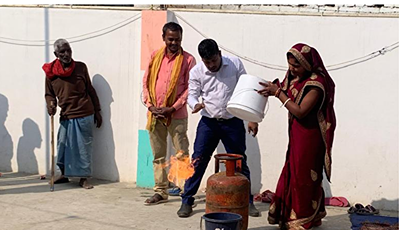
1102 GPDMC members Trained on Disaster Preparedness and emergency response.
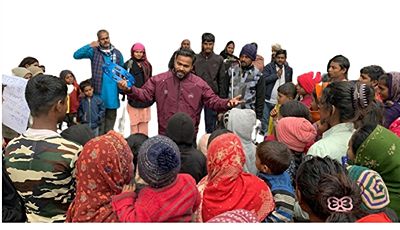
6419 community people were made aware on the severe dangers of cold waves, floods, and poor WASH practices through “Nukkad Natak”
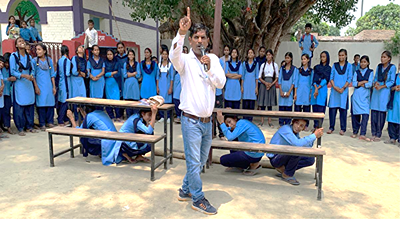
2550 School children trained on School Safety during emergency situations.
Creation of Task Force Team and their capacity building.
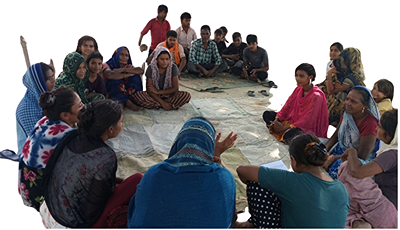
53 GPDMC committees formed across 75 Panchayats
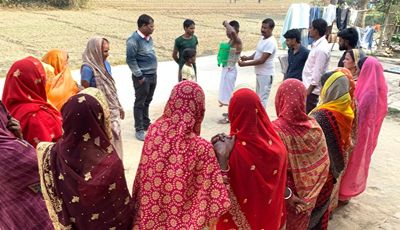
Total 350 TFT groups formed across all the three districts
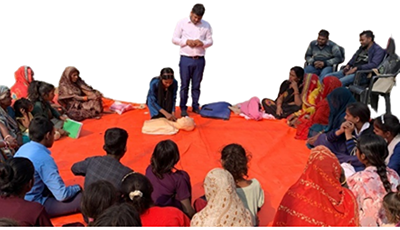
1251 TFT members Trained on Emergency Operations