
Theme 1
Mainstreaming DRR into Govt Ecosystem
SDG Alignment




LSDG Alignment


Summary
India’s shift from disaster response to disaster risk reduction (DRR) marks a major paradigm change from reacting after disasters to building resilience before they occur. DRR has been institutionalized by embedding preparedness into governance, replacing ad-hoc emergency response with systematic prevention. From village panchayats to state policymaking, Risk awareness is integrated into development planning. Infrastructure projects undergo hazard assessments, schools include disaster preparedness, and municipal budgets prioritize risk reduction such as drainage systems over post-disaster relief. For vulnerable communities in floodplains, river basins, and drought-prone regions, this shift is transformative. Agriculture departments now distribute drought-resistant and flood-resistant seeds as routine practice, while seismic zone building codes mandate earthquake-resistant construction, reducing vulnerability before disasters strike. Aligned with SDG 11 (Sustainable Cities and Communities) and SDG 13 (Climate Action), this approach turns disaster management from reactive spending into strategic investment in resilience. Challenges remain, including institutional silos, short political cycles, and uneven local capacity. However, Disaster management is increasingly evolving into a cross-cutting Governance principle, embedding resilience into every plan, budget, and development framework rather than treating it as an exception
From reactive silos To integrated, Resilient Governance
Capability Building of Government Line Departments to Promote
Risk-Informed Actions

71 Mahila Sabhas Conducted
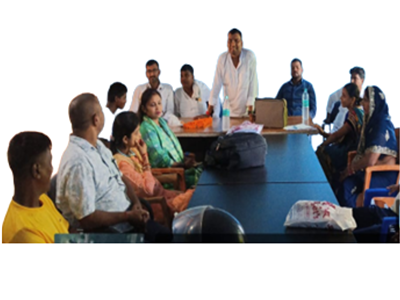
797 PRI members trained on preparation of Risk Informed GPDP
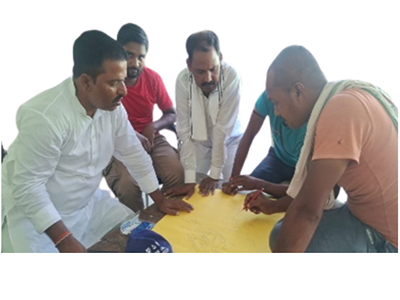
50 Risk Informed GPDP Plans Facilitated
Regular Capacity Building of Project Implementation Team
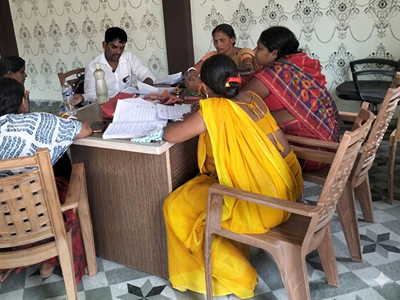
Developed a network of 25 PRPs in each district as village-level knowledge multipliers to ensure project sustainability.
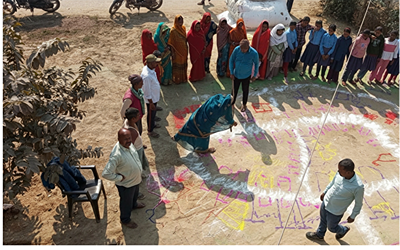
75 Vulnerability Capacity Assessment Conducted
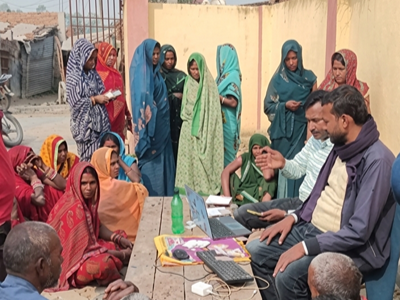
3950 beneficiaries availed benefits through Government schemes & Departments